
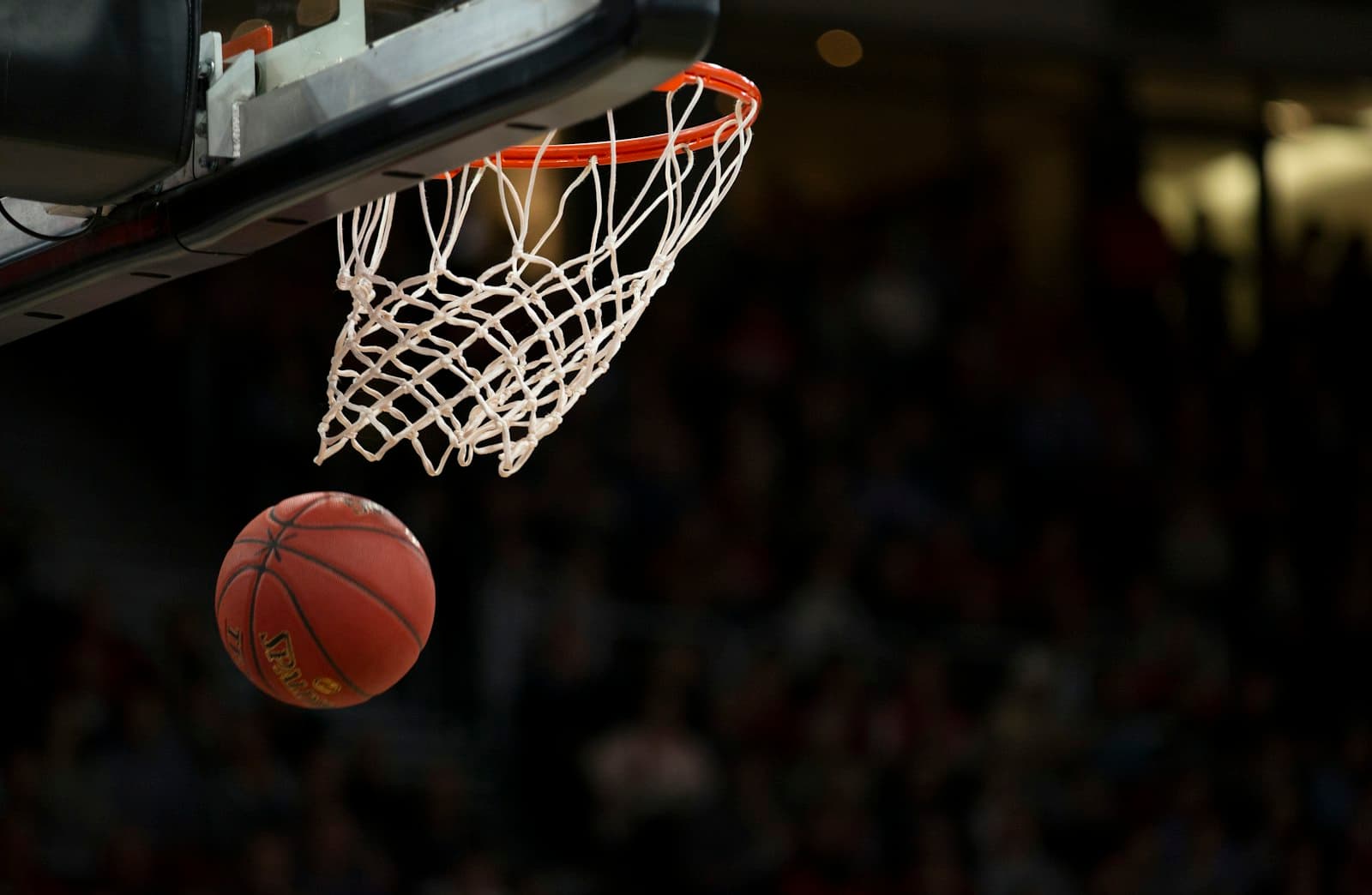
Using an age-appropriate ball helps young players pass, catch and shoot without distorting their mechanics. A ball that is too large or heavy encourages two-handed releases and excessive shoulder effort.
Shopping labels often suggest fixed ages, but match-day eligibility comes from the competition handbook. Check that before buying a team set, especially around the size 5-to-6 and size 6-to-7 transitions.
Official use and common guidance
| Ball | Official / common use | Practical note |
|---|---|---|
| Size 5 | Mini-basketball and younger juniors | Some programs specify a lightweight size 5 |
| Size 6 | FIBA women's competition and many junior groups | Also used in 3x3 with a different weight specification |
| Size 7 | FIBA men's competition | Largest standard full-court competition ball |
3x3 uses a special combination
Official 3x3 basketball uses a ball with size 6 circumference and size 7 weight. It is not simply an ordinary women's size 6 ball. The design supports the pace and outdoor conditions of the format.
Ball pressure, surface material and wear also affect control. Use the manufacturer's permitted pressure and choose an indoor or outdoor cover appropriate to the court surface.
Signs the ball is not suitable
- The player cannot place a relaxed shooting hand behind the ball.
- Passing technique collapses into a two-handed push for short distances.
- The ball feels slippery or has worn channels and panels.
- Inflation falls outside the printed range or changes quickly.
- The competition specifies another size for that division.
Official rules and related Trackd guides
Frequently asked questions
What size basketball do adult men use?
FIBA men's competition uses a size 7 ball.
What size basketball do adult women use?
FIBA women's competition uses a size 6 ball.
What ball does 3x3 basketball use?
Official 3x3 uses size 6 circumference with size 7 weight.
Capture a complete view of the court
Trackd uses a compatible iPhone to follow basketball action automatically, with no required subscription.